
Cerebral Palsy Medical Negligence Claims
Cerebral Palsy typically impacts muscle coordination and movement. This motor function impairment results from brain damage affecting the area responsible for balance, posture, and movement. If you or your infant has suffered, talk to us. Our legal team will guide you through the claims process.
Medical Negligence in Cerebral Palsy Cases
Cerebral Palsy (CP) is non-progressive (CP is a one-time injury to the brain and will not cause any further degeneration to the brain). It usually affects muscle co-ordination (Spastic Paralysis) and body movements. This loss or impairment of motor function is caused by brain damage to the part of the brain that controls balance, posture and movement.
This brain damage can be caused by either brain malformation or brain injury and can occur during pregnancy, before birth or immediately following birth. CP will not normally be diagnosed until the child has reached the age of two or three years. The main causes of medical negligence resulting in Cerebral Palsy include, but are not limited to:
Bringing a claim on behalf of an Infant or Child
Statistics show that 10% of children born with Cerebral Palsy is due to medical negligence. If you believe that your child’s CP has been caused due to the negligence of your health professionals you should contact a solicitor as soon as possible.
Bringing a claim for medical negligence can be a very daunting experience. Our medical negligence team of solicitors in Synnott Lawline Solicitors are highly trained professionals in the area of birth injuries. We endeavour to make the claim process, from beginning to end, as easy as possible for you. And we will guide you through each step of the claim.
Medical Malpractice In Cerebral Palsy Cases
Medical negligence arises in CP cases where there is a failure to deliver a child when there are indications of stress. When there are indications of stress a delay in delivery could cause oxygen deprivation to the child which can cause permanent brain damage. Depriving the child of oxygen during labour can cause Hypoxic-Ischemic Encephalopathy (HIE) which in turn can cause permanent brain damage and cerebral Palsy. The extent of the brain damage will depend on how long the child is deprived of oxygen.
HIE is also known to result in:
CP can also be caused in errors which occur after delivery such as:
What you need to know about Cerebral Palsy
1. Dyskinetic Cerebral Palsy (Dyskenisia)
This form of CP is caused by damage to the basal ganglia and/or the Cerebellum. It can be caused by infections such as meningitis, lack of oxygen to the brain or trauma to the developing brain. Dyskinetic CP can be broken down into sub-categories depending on the type of involuntary movements from which the child is suffering. These sub-categories are as follows:
- Dystonia: Slow rotational movement of the torso, arms or legs causing poor posture
- Chorea: Sudden involuntary movements, usually in the fingers and toes
- Athetosis: Sluggish writhing movements, usually occurring in the fingers and face
* Choreoathetoid: A combination of Chorea and Athetosis (outlined above);
* Ataxia: Loss of balance and co-ordination. This is the rarest form of CP;
* Rigidity: High muscle tone due to hypertonia causing restrictive movement;
* Dyskenisia: A general term to describe involuntary movements.
2. Spastic Cerebral Palsy
This is the most common type of CP and is caused by damage to the motor cortex of the brain and can occur before, during or after birth. Spasticity can affect any muscle group in the body, however, there are some patterns that can be seen in CP:
- Flexion at the elbow, wrist or fingers;
- Flexion at the hip;
- Adduction or scissoring of the thighs (this causes the legs to pull together);
- Flexion at the knees
- Equinovarus foot posture
Spasticity can also affect smaller muscle groups such as the facial muscles, tongue or vocal folds. This can result in slow oral movements, slurred speech and a tightness or hoarseness of the voice.
3. Ataxic Cerebral Palsy
Ataxia is the least common form of CP. Children suffering from Ataxia will usually have unsteady shaky movements or tremors and difficulty maintaining balance, issues with depth perception and imprecise motor skills. Ataxia is caused by damage to the cerebellum. The main causes of damage to the cerebellum are:
- Infection in the womb;
- Loss of oxygen due to placental failure or breech birth;
- Head trauma during or after birth;
- Brain haemorrhaging from fetal stroke.
Common risk factors leading to CP?
Some of the known risk factors that often lead to CP are:
Asphyxia
Medical malpractice
Negligence
Abuse
Injury
Accidents
Infections
Statute of Limitations for Infant / Child Claims
Unlike Personal Injury law for adults (who have 2 years from the date of injury to issue a claim) a parent or guardian can commence the injury claim for the child 2 years from the date of their 18th birthday rather than in normal cases 2 years from ‘date of knowledge’. So if a potential claimant was a baby or infant at the time of injury, although we don’t recommend waiting this long, legal action can be taken up to their 20th birthday. With all personal injury claims we advise seeking legal advice as soon as possible. This law is in place for children as it’s not always possible to define the long term physical or psychological consequences of the injury the infant has suffered until they have reached maturity.
Med Neg Claims
Cosmetic Surgery Claims
FAQs
No Win No Fee Explained
No Win No Fee – The legal term used to describe how solicitors take on a case where they pay the costs of the litigation. Irish Law Firms who operate on this basis pay for the medical reports, expert fees and other legal costs associated with your injury case. It’s common for specialised personal injury firms to operate on a “no win no fee” basis. Solicitors are not allowed to advertise no win no fee services.
Start your injury case
If you’ve suffered injury, loss, damage or expense as a result of another party’s negligent act or omission, you may be entitled to claim from that party or their insurers. Starting a case with our legal team is a seamless process. Subject to strict exceptions, you have two years from the date of your accident to commence legal proceedings. A different claims policy applies to children under 18.
What can I claim for?
Personal Injury Claim amounts are difficult to value at the outset of any case, but the value of your case in terms of General Damages will depend on the severity of the injury, the pain, suffering and inconvenience caused by the length of time to recover and the prognosis for the future. In addition, you are entitled to claim for all financial losses and expenses sustained by you as a result of the accident.
Meet our Team
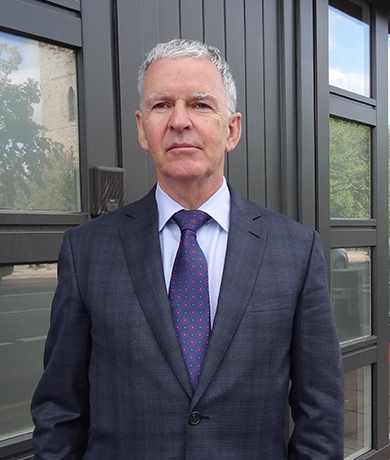
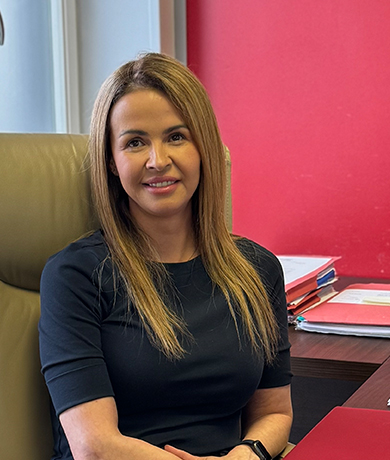
With our experience and knowledge on all types of Injury Claims and Medical Negligence, on your behalf, we represent you throughout the whole Legal Process. Whatever your injury, we are there to help you get your life back. Meet our trusted Legal Experts.

Got a question about Starting a Claim for Personal Injury or Medical Negligence? Send us a message!
If you’ve suffered a personal injury through no fault of your own, the path to fair compensation can be daunting. Our experienced solicitors have successfully represented clients across Ireland, offering compassionate, expert advice. Contact us confidentially any day of the week by call, email, text, or contact form, and a solicitor will respond. We’re here to help 7 days a week.
Talk to a Solicitor today
Contact us 7 days a week by phone, email or fill out the tell us about your case form and a solicitor will contact you without delay. We are Here to Help.
